Blog

Piedmont Culinary Traditions: Discover Authentic Italian Flavors

Piedmont Culinary Traditions: Discover Authentic Italian Flavors

PIEDMONT CULINARY TRADITIONS: DISCOVER AUTHENTIC ITALIAN FLAVORS

Explore Piemonte's unique culinary traditions, from truffle delicacies to renowned wines. Uncover the flavors that define Piedmont's rich food culture.

Introduction

Introduction

Piedmont, a region located in northwestern Italy, is renowned for its rich culinary traditions and exceptional agricultural products. Bounded by the Alps to the north and the Apennines to the south, the region's diverse geography and climate have cultivated a unique gastronomic landscape. Known for its truffles, hazelnuts, and a variety of wines, Piedmontese cuisine reflects a harmonious blend of historical influences and local ingredients. This culinary guide delves into the intricacies of Piedmont's gastronomic identity, exploring its diverse offerings, historical roots, and cultural significance.

Context & Territory

Context & Territory

Geography and Climate

Piedmont, encompassing an area of approximately 25,000 square kilometers, features a diverse landscape ranging from rolling hills in the Langhe and Monferrato to the flat plains of Vercelli and Novara. The name "Piedmont" translates to “at the foot of the mountains,” a descriptor that captures its geographical context nestled at the foothills of the Alps.

The region enjoys a continental climate, characterized by hot summers and cold winters. The temperature variations, alongside fertile soils enriched by mineral deposits from glacial activity, create optimal conditions for agricultural production. The area is particularly noted for its microclimates, which facilitate the cultivation of high-quality grapes and other produce, such as rice in the paddies of Novara and Vercelli, and the famous Tuber magnatum (white truffle) found in the forests surrounding Alba.

Cultural Influences

Piedmont's cultural tapestry is woven from centuries of history, including Roman, medieval, and contemporary influences. The region's strategic position as a crossroads for trade routes fostered an exchange of culinary practices and ingredients. Additionally, Piedmont was the seat of the Savoy monarchy, which played a pivotal role in the unification of Italy. The royal heritage left an indelible mark on local cuisine, often associated with rich and hearty dishes designed for nobility.

DOP and IGP Products

DOP and IGP Products

Piedmont boasts a wealth of DOP (Denominazione di Origine Protetta) and IGP (Indicazione Geografica Protetta) products, which signify quality and authenticity. These certifications ensure that products are produced in accordance with strict guidelines, reflecting the region's culinary heritage.

List of Key DOP and IGP Products

  • Tartufo Bianco d'Alba (White Truffle of Alba): Renowned worldwide, this prized fungus grows in the wild and is typically harvested from September to January. Its distinctive aroma and flavor make it a coveted ingredient in various dishes.

  • Hazelnuts of Piedmont (Nocciola del Piemonte IGP): Known for their unique taste and quality, these hazelnuts are primarily cultivated in the Langhe region. They are essential in confectionery, particularly for products like gianduja (chocolate-hazelnut spread).

  • Riso di Baraggia (Baraggia Rice IGP): Grown in the rice paddies of Vercelli and Novara, Baraggia rice is known for its high starch content, making it ideal for risottos and traditional rice dishes.

  • Salame di Barolo (Barolo Salami): This artisanal salami is flavored with Barolo wine and characterized by a rich, robust taste. It has its origins in the Langhe region, where it is handcrafted by local artisans.

  • Gorgonzola DOP: Although it is often associated with Lombardy, the Gorgonzola cheese production also extends into Piedmont. This blue cheese varies in flavor and is an integral component of various local dishes.

These products not only showcase the region's agricultural prowess but also contribute to the overall gastronomic experience that Piedmont offers.

Regional Wines

Regional Wines

Piedmont is celebrated for its exceptional wines, with a reputation that extends far beyond Italy's borders. The region features numerous DOC (Denominazione di Origine Controllata) and DOCG (Denominazione di Origine Controllata e Garantita) designations, which are attributed to the quality of its wine production.

Key DOC and DOCG Wines

  • Barolo DOCG: Often referred to as the "King of Wines," Barolo is produced from the Nebbiolo grape and exhibits a robust flavor profile with notes of cherry, red fruit, and subtle floral undertones. The wine is aged for a minimum of 38 months, contributing to its complex character.

  • Barbaresco DOCG: Also made from Nebbiolo, Barbaresco is often regarded as the more delicate counterpart to Barolo. Known for its elegance and floral notes, it is aged for at least 24 months.

  • Dolcetto d'Alba DOC: This red wine is lighter than its Nebbiolo counterparts, offering juicy fruit flavors with a hint of bitterness. Dolcetto is often consumed young, making it a popular choice among locals.

  • Moscato d'Asti DOCG: A sweet sparkling wine, Moscato d’Asti is produced in the Asti region. It is characterized by its low alcohol content and floral, fruity aromas, making it a delightful aperitif or dessert wine.

Production Areas

Key wine-producing areas include the Langhe, Roero, and Monferrato regions, each offering unique terroirs that influence the characteristics of the wines. The rolling hills and vineyards of these areas are recognized as a UNESCO World Heritage site, underscoring their cultural importance.

Traditional Cuisine

Traditional Cuisine

Piedmontese cuisine is marked by hearty dishes that reflect the region's agricultural bounty and historical influences. The culinary heritage is rooted in peasant traditions, where local ingredients dictated the seasonal menu.

Typical Dishes

  • Bagna Cauda: A warm dip made from garlic, olive oil, and anchovies, Bagna Cauda is traditionally served with seasonal vegetables. This dish originates from the Langhe region and is often enjoyed in convivial settings.

  • Agnolotti: These small, stuffed pasta parcels are typically filled with meat or vegetables and served with a simple sauce of butter and sage. Agnolotti is a staple of Piedmontese weddings and celebrations.

  • Tajarin: Thin, egg-based pasta traditionally served with various sauces, including a classic meat ragù. The name tajarin refers to the cutting technique used to create the thin strips.

  • Brasato al Barolo: A hearty dish of braised beef cooked in Barolo wine, it embodies the rich flavors of the region. This dish is often served with polenta, showcasing Piedmont’s culinary connection to its agricultural products.

Festivals and Events

Festivals and Events

Piedmont hosts a variety of festivals and events celebrating its rich culinary heritage and agricultural products. These gatherings draw both locals and tourists, providing an opportunity to experience Piedmontese culture firsthand.

Key Festivals

  • Alba White Truffle Fair: Held annually in October and November, this festival celebrates the prized white truffle of Alba, featuring tastings, cooking demonstrations, and markets showcasing truffle-themed products.

  • Fiera del Tartufo di Murisengo: Taking place in November, this truffle fair in Murisengo showcases local truffles, culinary competitions, and opportunities for visitors to engage with local chefs.

  • Barolo Wine Festival: Celebrated in the summer months, this event offers wine tastings, vineyard tours, and cultural activities centered around Barolo wine. It provides a unique opportunity to meet producers and sample their offerings.

Experiences to Live

Experiences to Live

Visitors to Piedmont can immerse themselves in its culinary landscape through a variety of experiences designed to highlight the region's rich agricultural and gastronomic offerings.

Tours and Tastings

  • Vineyard Tours: Many wineries in the Langhe and Monferrato regions offer guided tours that include tastings of local wines paired with traditional snacks. These experiences often provide insights into the vinification process and the history of the vineyards.

  • Cooking Classes: Participating in a cooking class allows individuals to learn about traditional Piedmontese recipes, using local ingredients. Many classes conclude with a communal meal, promoting a shared culinary experience.

  • Truffle Hunts: Guided truffle hunts in the forests surrounding Alba provide a unique opportunity to learn about the truffle-hunting process. Participants often work with trained dogs, uncovering these elusive treasures of the forest.

Curiosities & Anecdotes

Curiosities & Anecdotes

Piedmont's culinary history is rich with curiosities and anecdotes that highlight the region's unique cultural identity.

Notable Facts

  • The Savoia dynasty, which ruled over Piedmont, profoundly influenced Italian cuisine. Their association with fine dining led to the establishment of some of Italy's most prestigious culinary traditions.

  • In the late 19th century, the Piedmontese invented the "aperitivo," a pre-dinner drink to stimulate the appetite. This practice has since spread across Italy and is now a significant part of the Italian dining experience.

  • The Tuber magnatum, or white truffle, can sell for thousands of euros per kilogram, making it one of the most expensive food products in the world. The allure of truffles has sparked interest from chefs and food enthusiasts globally.

Practical Information

When to Go

The best time to visit Piedmont for culinary experiences is during the harvest season, from late summer to autumn. This period encompasses the truffle fairs and grape harvests, providing visitors with ample opportunities to partake in local festivities.

What to See

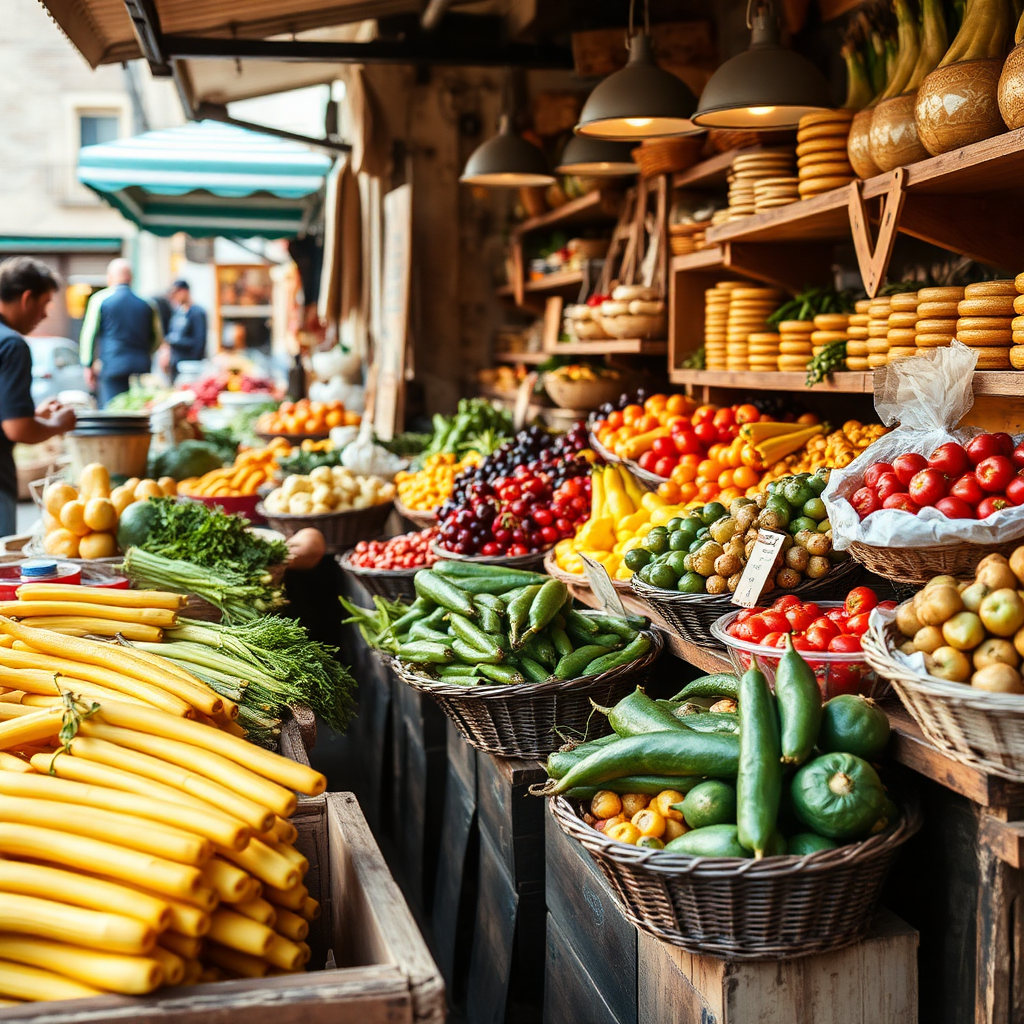
Key attractions include the vineyards of the Langhe, the historic city of Alba, and the stunning Castello di Grinzane Cavour, which offers panoramic views of the surrounding wine country. Culinary enthusiasts can also visit local markets, such as the Torino Market, to explore the region's produce and artisanal products.

In summary, Piedmont is a treasure trove of culinary delights, showcasing a rich tradition rooted in its geography, history, and culture. This guide serves as an invitation to explore the authentic flavors of this remarkable Italian region.

Discover Experiences

Discover the best food and wine experiences and book your next journey into Italian flavors.

Explore Tours
Chianti Classico DOCG: Tuscany’s Iconic Red Wine E...
Secrets to Master Fresh Pasta and Tiramisù at Home