

 English
Taste of Tuscany - Wine Tours & Cooking Classes
Best food & wine tours in Tuscany: local wines, regional specialties, and culinary traditions. Book now!
Search More Tours
Explore all available food & wine experiences
Introduction
Tuscany envelops you in a golden light, where rolling hills meet ancient stone villages and every scent and flavor tells a story. This region is not just a place—it’s an experience that stirs the soul. Imagine wandering through medieval streets lined with Renaissance art, savoring a glass of Chianti Classico DOCG as the sun sets over cypress-lined avenues. Tuscany’s timeless charm lies in its rich cultural heritage, from the masterpieces of master artists to the enduring rhythm of rural life.
Here, history lives in every hilltop town and each hand-crafted dish, like ribollita or bistecca alla fiorentina, speaks of centuries of tradition. Visit grand cathedrals, explore Etruscan ruins, and taste your way through local markets bursting with Pecorino Toscano DOP and Olio Toscano IGP. Whether for its art, flavors, or landscapes, Tuscany offers a sensory journey unlike any other.
Weather and Best Time to Visit
Tuscany has a Mediterranean climate, characterized by hot, dry summers and mild, wetter winters. In summer (June to August), average daytime temperatures range from 28°C to 33°C (82°F to 91°F), especially in inland areas like Florence. Winters, from December to February, are milder with temperatures ranging from 5°C to 12°C (41°F to 54°F), though it can be colder in the inland and hilltop towns. The best time to visit is during spring (April to June) and early autumn (September to October), when the weather is pleasant, crowds are smaller, and landscapes are lush. July and August can be very hot and crowded, especially in cities. Pack light clothing in summer, but bring layers and a waterproof jacket in cooler months.
Culinary Tradition
In the heart of central Italy, Tuscany unveils a culinary heritage rooted in simplicity, seasonality, and bold flavors. This region celebrates traditional peasant cuisine, where age-old recipes rely on high-quality ingredients to create unforgettable dishes. One emblem of Tuscan cooking is ribollita View on map, a rich, reheated vegetable and bread soup infused with black cabbage, beans, and olive oil—it reflects the essence of rustic Tuscan hospitality. Equally iconic is pappa al pomodoro View on map, a thick tomato and bread soup delicately flavored with garlic and basil, perfect in summer when tomatoes are at their peak.
No culinary journey is complete without bistecca alla fiorentina View on map, a thick-cut T-bone steak sourced from Chianina cattle, grilled rare and seasoned simply with olive oil and salt—a dish that showcases the region’s respect for quality meat. For pasta lovers, pici all’aglione View on map offers hand-rolled thick spaghetti coated in a garlicky tomato sauce, typical of southern Tuscany.
Tuscany’s pantry is enriched by award-winning products like Pecorino Toscano DOP View on map, a firm sheep’s milk cheese with a delicate flavor, and Olio Extra Vergine di Oliva Toscano IGP View on map, celebrated for its peppery, grassy character. Pair these delights with a glass of Chianti Classico DOCG View on map or Brunello di Montalcino DOCG View on map, wines that mirror the land’s depth and elegance.
Explore authentic flavors at Mercato Centrale in Florence, a historic food market View on map where local producers and traditional food stalls bring Tuscan gastronomy to life. From medieval food festivals to vineyard harvest feasts, Tuscany’s culinary culture is as rich and enduring as its rolling hills.
Suggested Tours

Florence Pizza or Pasta Class with Gelato Making at a Tuscan Farm

SMALL-GROUP Wine Safaris: Tuscan Wine Tasting Tours from Florence

Florence: Pasta Cooking Class with Unlimited Wine

Tuscany Day Trip from Florence: Siena, San Gimignano, Pisa and Lunch at a Winery
What to See
- Piazza del Duomo View on map (Florence) – This UNESCO World Heritage View on map site is home to iconic landmarks such as the Florence Cathedral, Giotto’s Bell Tower, and the Baptistery of San Giovanni. It represents the heart of Renaissance art and architecture and is a must-see in Tuscany's capital.
- Piazza del Campo View on map (Siena) – One of Europe’s most beautiful medieval squares, this fan-shaped piazza is known for the famous Palio di Siena horse race. The square is surrounded by historic buildings, including the striking Palazzo Pubblico and Torre del Mangia.
- Leaning Tower of Pisa View on map (Pisa) – An iconic symbol of Italy, this tilted bell tower is part of the Piazza dei Miracoli View on map, a UNESCO World Heritage View on map site. Visitors can climb the tower for views over the city and admire the nearby cathedral and baptistery.
- Val d'Orcia View on map (Province of Siena) – This picturesque valley is a UNESCO World Heritage View on map cultural landscape, renowned for rolling hills, medieval towns, and rows of cypress trees. The area also offers outstanding local products like Pecorino di Pienza View on map and Brunello di Montalcino View on map wine.
- San Gimignano Historic Centre View on map (San Gimignano) – Famous for its medieval stone towers, San Gimignano is nicknamed the “Manhattan of the Middle Ages.” Sitting atop a hill, the town's skyline and its UNESCO World Heritage View on map historic center offer a glimpse into Tuscany's medieval past.
- Piazza Grande View on map (Arezzo) – This sloping square is the historic heart of Arezzo, surrounded by Romanesque churches and Renaissance palaces. It is also where the Giostra del Saracino, a medieval jousting festival, takes place twice a year.
- Lucca City Walls View on map (Lucca) – Encircling the historic center, Lucca's Renaissance-era walls are now a tree-lined pedestrian path. The city offers well-preserved architecture, Romanesque churches, and events like the Lucca Comics & Games festival.
- Monte Amiata View on map (Province of Grosseto/Siena) – A dormant volcanic mountain popular for hiking, skiing, and exploring chestnut forests. It is surrounded by peaceful villages and is a natural refuge with stunning Apennine views.
- Volterra Historic Centre View on map (Volterra) – This ancient hilltop town is known for its Etruscan origins and alabaster craftsmanship. Visitors can explore the well-preserved Roman Theatre, medieval walls, and the Piazza dei Priori.
- Isola d’Elba View on map (Livorno Province) – The largest island in the Tuscan Archipelago, Elba offers crystal-clear waters, hiking trails, and Napoleon's historic residence. Its beaches and marine reserves are perfect for snorkeling and diving.
- Cortona View on map (Province of Arezzo) – Made famous by the book Under the Tuscan Sun, this Etruscan-era town offers spectacular views of the Val di Chiana and Lake Trasimeno. Its narrow streets, small museums, and cozy cafés transport visitors to an authentic Tuscan world.
- Abbey of Sant’Antimo View on map (Montalcino) – Nestled among olive groves and vineyards producing Brunello di Montalcino View on map, this Romanesque abbey offers serene beauty and Gregorian chants by resident monks. Its architecture and setting make it one of Tuscany’s spiritual treasures.
- Lake Bilancino View on map (Barberino di Mugello) – A lesser-known gem in northern Tuscany, this artificial lake is ideal for swimming, canoeing, and relaxing. Surrounded by nature, it's a peaceful escape near the Apennine foothills.
- Terme di Saturnia View on map (Manciano) – These natural hot springs in southern Tuscany are known for their therapeutic sulfur waters and scenic travertine pools. The nearby countryside is filled with medieval villages and Etruscan heritage.
Things to Do
Here are some of the best bookable activities and experiences to enjoy in Tuscany, Italy:
Chianti Wine Tour and Tasting in a Historic Winery
Explore the heart of the Chianti region with a guided visit to a historic winery, where you can learn about traditional winemaking techniques. Sample a selection of regional wines like Chianti Classico, paired with local cheeses and cured meats.
Truffle Hunting and Tasting with a Local Guide
Join a local truffle hunter and their trained dog for an authentic white truffle or black truffle foraging experience in the woodlands near San Miniato or the Tuscan countryside. After the hunt, enjoy a tasting of fresh truffle-based dishes or a truffle-themed lunch.
Fresh Pasta Cooking Class in a Tuscan Farmhouse
Take part in a hands-on fresh pasta cooking class led by an experienced local chef in a charming rural setting. Learn to prepare traditional dishes like tagliatelle or pici, and enjoy a full meal accompanied by local Tuscan wines.
Day Trip to the Val d’Orcia with Wine and Village Tours
Discover the scenic beauty of Val d’Orcia, a UNESCO World Heritage landscape filled with rolling hills and historic hilltop towns such as Montalcino and Pienza. Visit a local winery to taste world-renowned Brunello di Montalcino, and enjoy free time to explore picturesque medieval streets.
Visit to a Traditional Cheese Farm in Pienza
Experience the making of the region’s famous Pecorino di Pienza by visiting a cheese factory or family-run dairy farm. Learn about the aging process and sample a variety of this unique sheep's milk cheese, often accompanied by honey or local wine.
Guided Tour of the Uffizi Gallery in Florence
Book a skip-the-line, guided access to the Uffizi Gallery, home to masterpieces by Botticelli, Michelangelo, and Leonardo da Vinci. A professional art historian will provide deep insights into the significance and stories behind each artwork in this iconic Florentine museum.
Each of these experiences offers a rich, immersive way to discover the flavors, culture, and history of Tuscany.
Suggested Tours
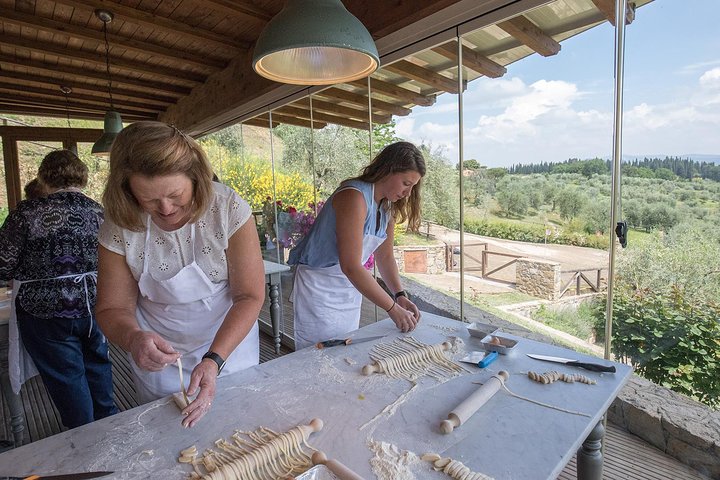
Cooking Class and Lunch at a Tuscan Farmhouse with Local Market Tour from Florence

Chianti Wine Tour from Florence
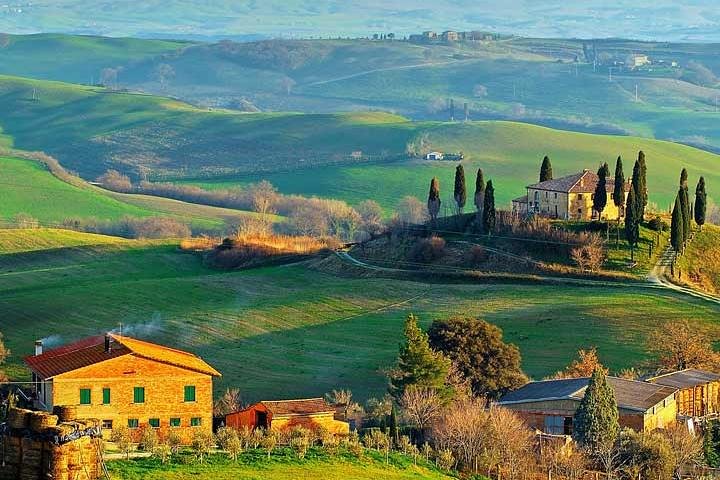
Small-Group Wine Tasting Experience in the Tuscan Countryside

San Gimignano, Siena, Monteriggioni, Chianti Day Trip with Lunch & Wine Tasting
Fun Facts
- Florence was the first city in Europe to pave its streets
- Tuscany is the birthplace of the Italian language
- The Palio di Siena is more than a horse race
- Tuscany once had an independent maritime republic
- There’s a legend of a monster in the Mugello region
Local Tips
- Head to major attractions like the Duomo of Florence or Piazza del Campo in Siena early—around 8:30–9:00 AM—to avoid tour groups and get the best light for photos.
- Wander through San Frediano in Florence or Porta Romana—these neighborhoods are quieter, full of local life, artisan workshops, and authentic cafés, far from the usual tourist paths.
- Locals usually grab breakfast at a bar—just a quick cappuccino and cornetto at the counter. For aperitivo, small neighborhood spots far from the center often serve better snacks and prices than the busy tourist areas.
- Try to avoid dining near iconic landmarks—restaurants around Piazza della Signoria or Piazza dei Miracoli tend to be overpriced. Also, skip gelato that's piled high with bright colors—it’s likely not the real deal.
- Respect the siesta tradition—many small shops close between 1–4 PM, especially in rural towns. Be patient; it’s a good time to relax yourself.
- If you visit in October or November, it's olive harvest season. Look out for tastings of the year’s new olive oil, often paired with toasted bread. It’s a simple but delicious local custom.
Map
Explore Tuscany on the map
Book Your Experience
Treat yourself to a truly unforgettable adventure through the flavors of Tuscany. Savor the richness of olive oil and the depth of Chianti wine in an authentic tasting or hands-on cooking class, surrounded by rolling hills and centuries of culinary tradition. This is a rare chance to connect with Tuscany from its delicious heart. Book your food experience now!