Blog

Unveiling Pasta Making Traditions in Bologna, Emilia-Romagna

Unveiling Pasta Making Traditions in Bologna, Emilia-Romagna

UNVEILING PASTA MAKING TRADITIONS IN BOLOGNA, EMILIA-ROMAGNA

Experience the secrets and beauty of a pasta making class in Bologna, Emilia-Romagna, exploring authentic techniques and culinary heritage firsthand.

Experience Overview

Experience Overview

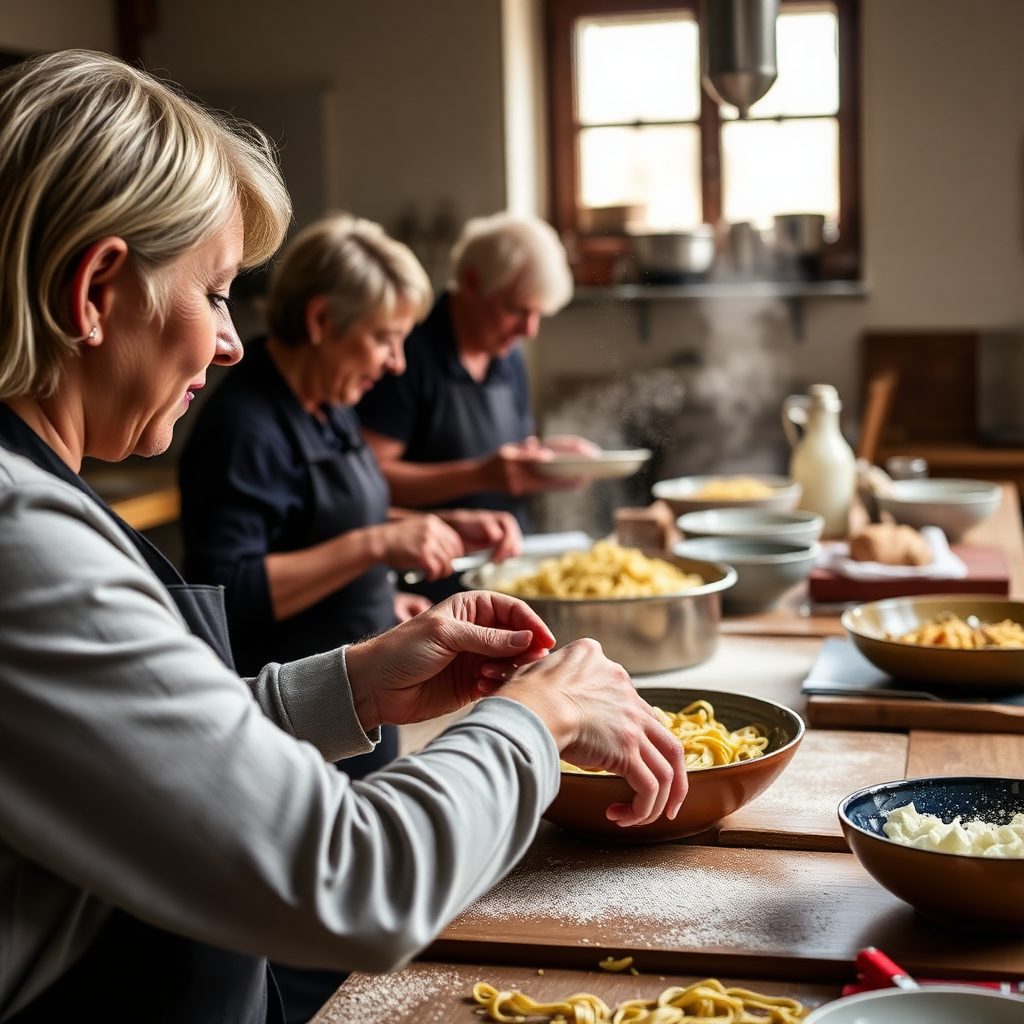
A pasta-making class in Bologna offers an immersive opportunity to engage with one of Italy's most beloved culinary traditions. This experience typically lasts between 3 to 4 hours, allowing participants to gain hands-on knowledge from expert instructors. Classes are often held in picturesque settings, including family-run kitchens or dedicated culinary schools, where the rich history of pasta is woven into the fabric of the experience.

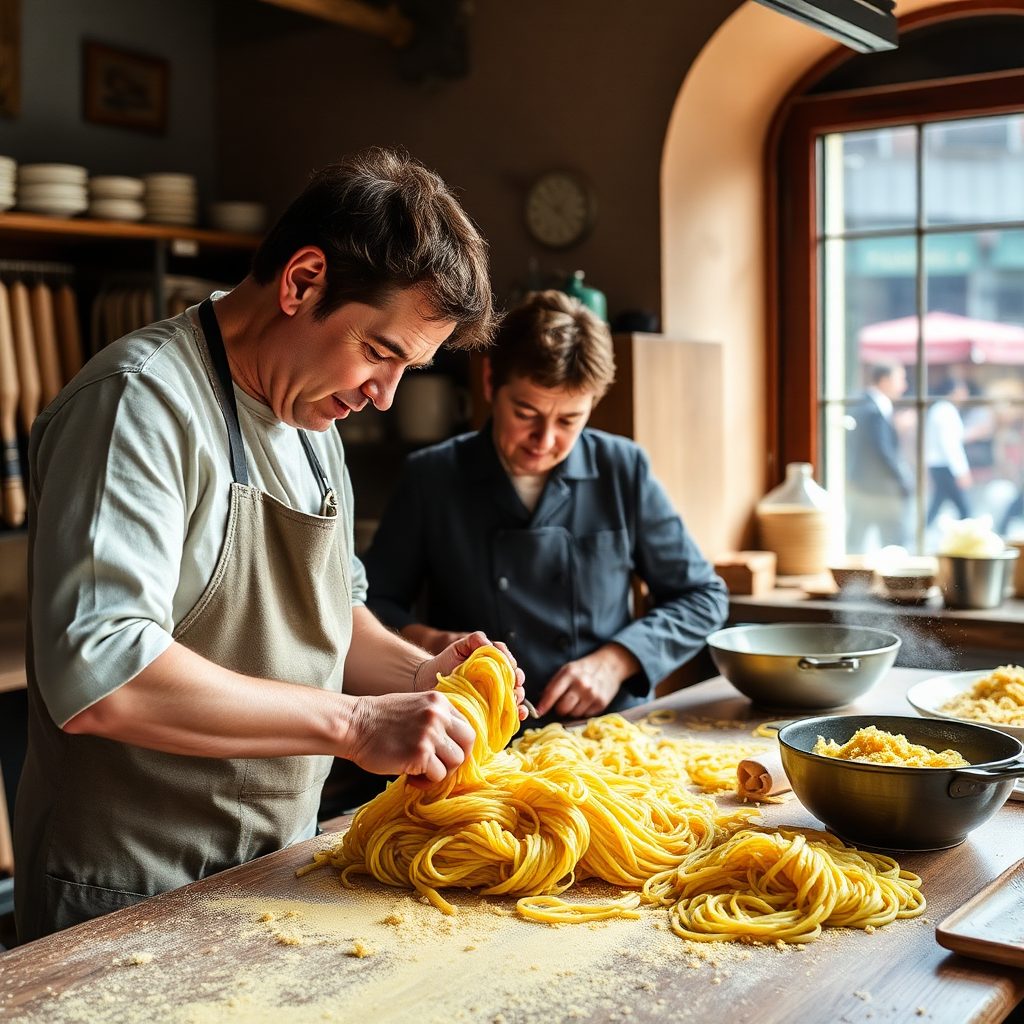
Participants explore the entire process of pasta creation, from selecting the right flour to kneading, rolling, and cutting the dough. Classes are designed for all skill levels, welcoming both novices and seasoned cooks eager to refine their techniques. The atmosphere is often convivial, encouraging a shared appreciation of food and culture, making it an enriching experience that transcends mere cooking.

The Route

The Route

Starting Point: The Culinary School

Classes usually begin at a local culinary school or a traditional kitchen in Bologna, known for its historic significance in Italian gastronomy. Here, participants are introduced to the variety of pasta that is integral to Bolognese cuisine, such as tagliatelle, tortellini, and lasagna.

Flour and Dough Preparation

The journey into pasta-making commences with the selection of ingredients, primarily flour and eggs. Participants learn about the importance of using "00" flour, a finely milled type that is favored for its ability to create a silky, elastic dough. This foundational step is crucial, as it sets the stage for the final product's texture and flavor.

Shaping and Cooking

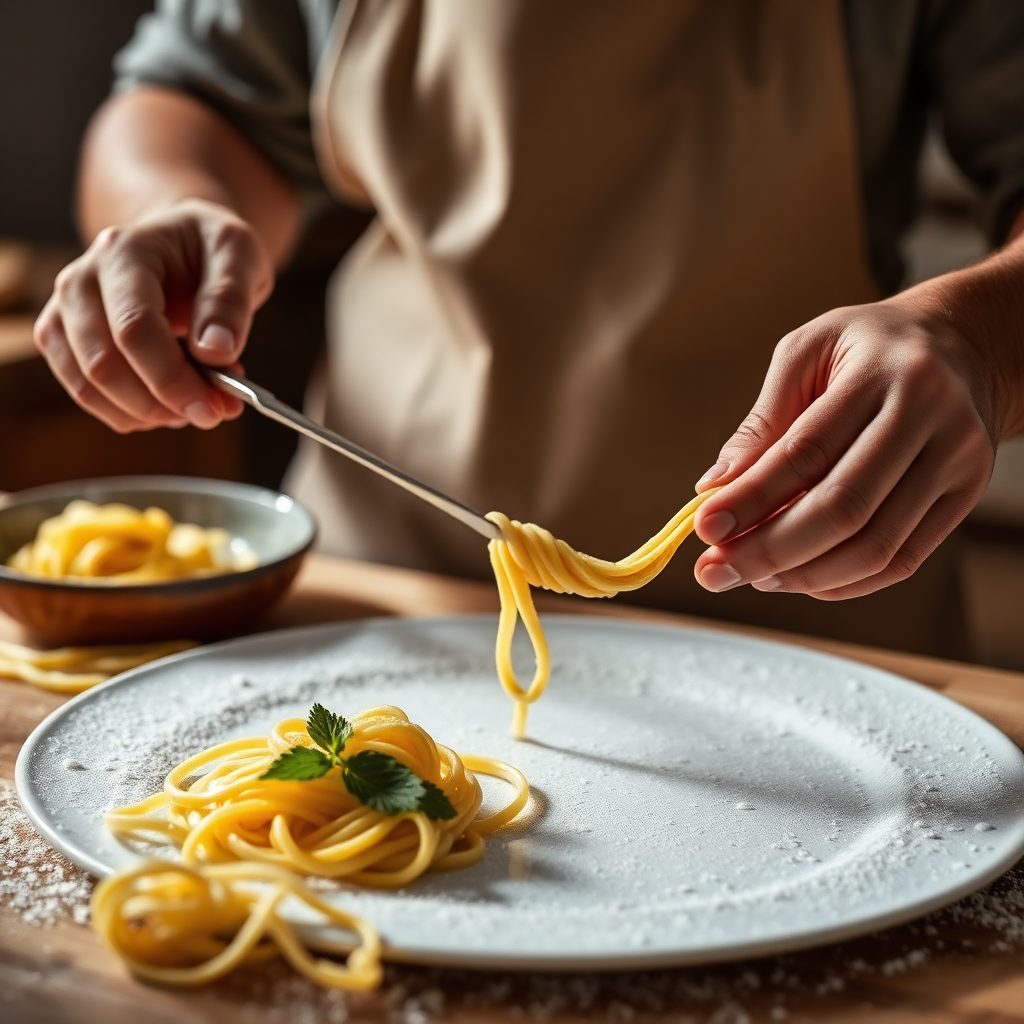
Following the dough preparation, the class progresses to the art of shaping the pasta. Traditional methods are emphasized, with instructors demonstrating how to create various shapes, from the delicate folds of tortellini to the ribbons of tagliatelle. After shaping, the pasta is typically cooked and served with a rich ragù alla Bolognese, offering participants the chance to taste their creations alongside a discussion of the region's culinary heritage.

Products in the Tasting

Products in the Tasting

Tagliatelle

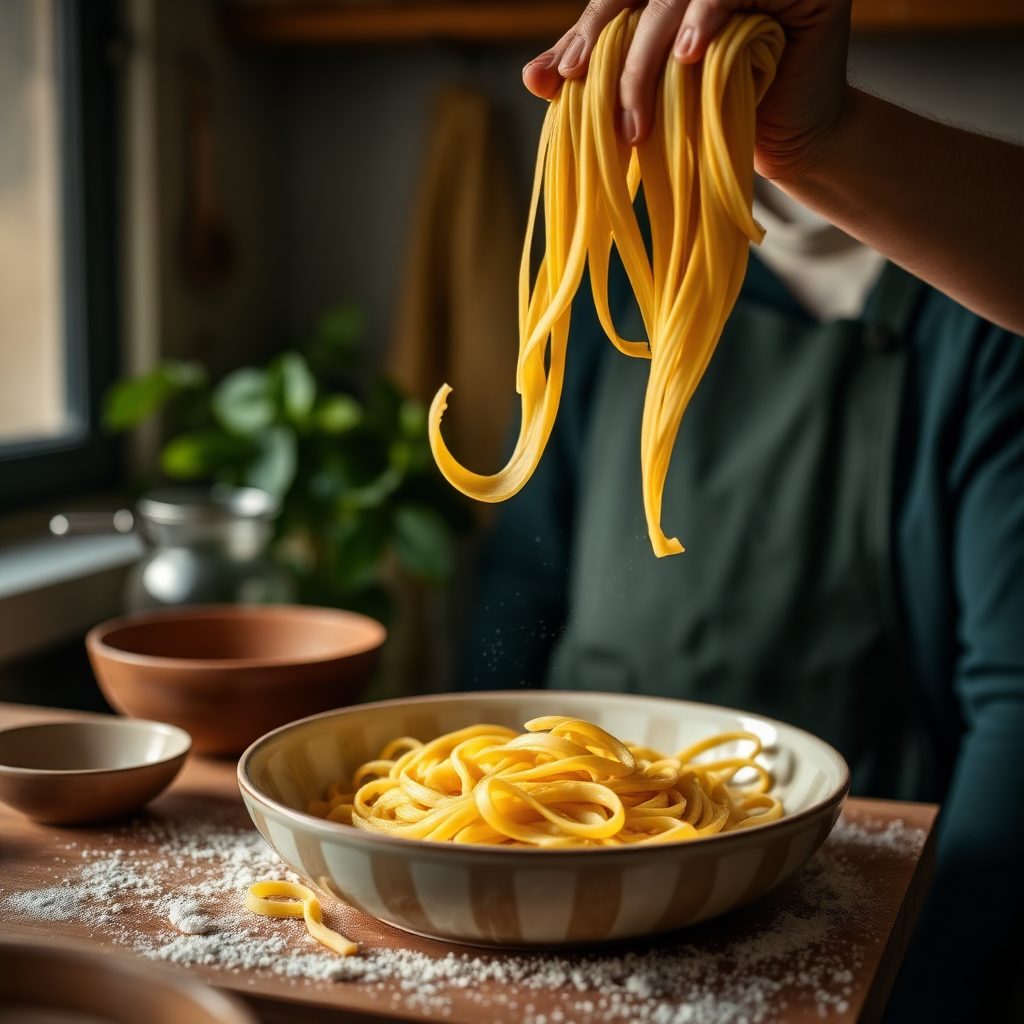
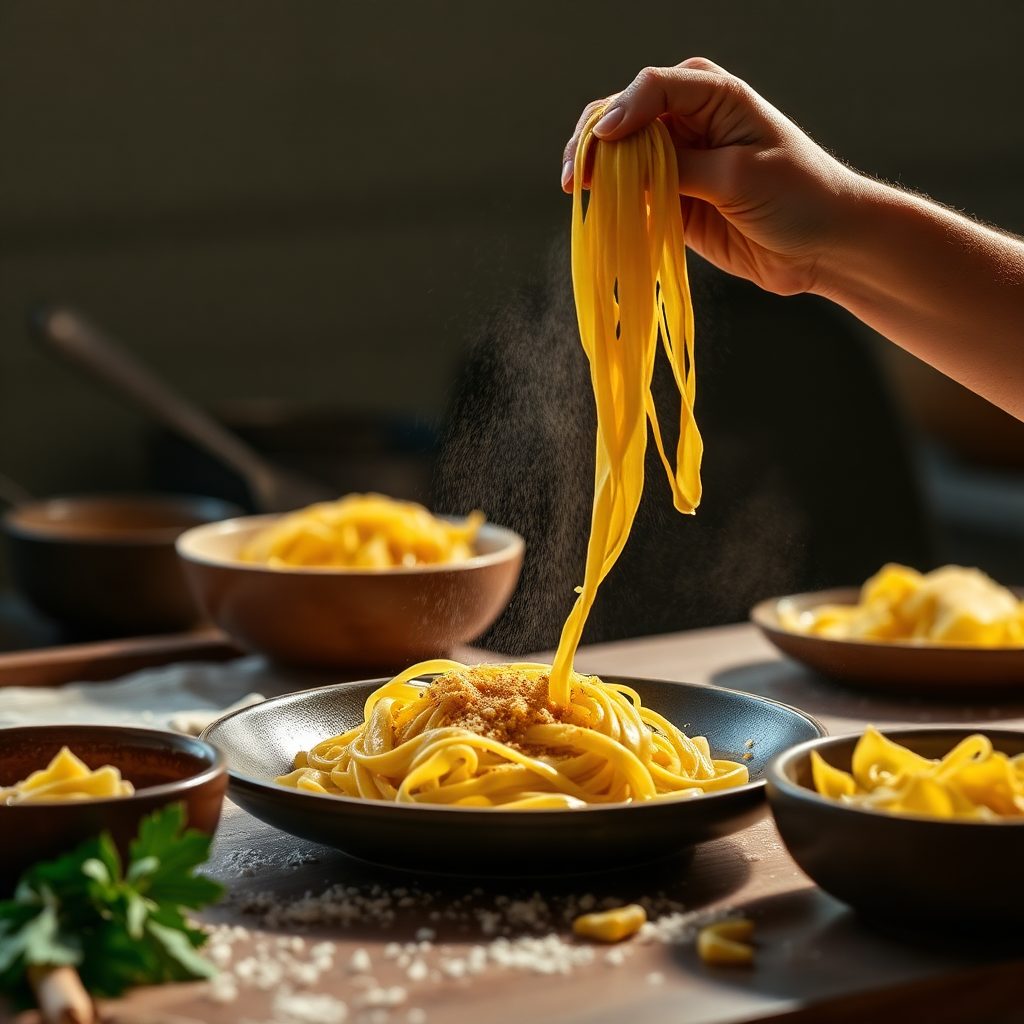
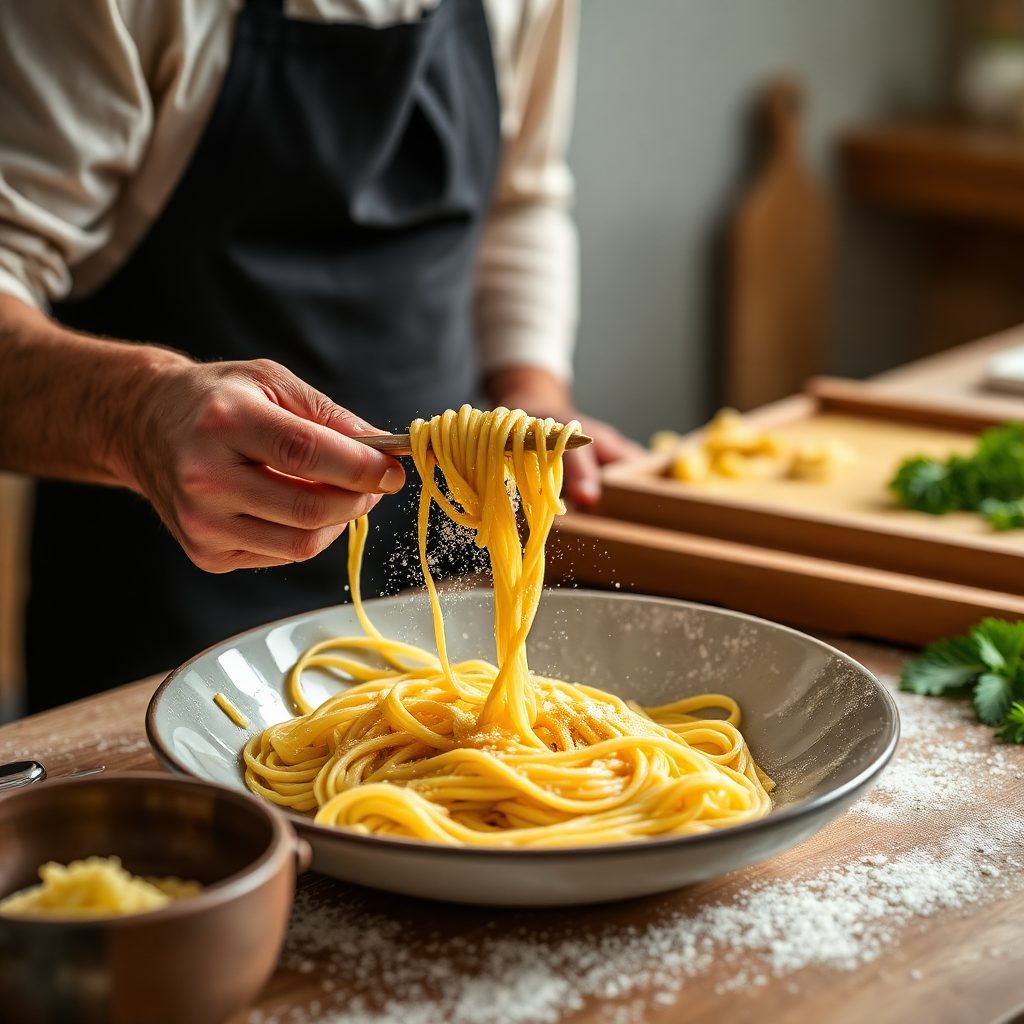
Tagliatelle is a long, flat pasta that hails from Emilia-Romagna, traditionally made with just flour and eggs. This pasta is characterized by its broad, ribbon-like form, which allows it to hold sauce effectively. The texture is both firm and tender, making it an ideal vessel for rich, meaty sauces like the renowned Bolognese ragù.

Tortellini

Tortellini, often referred to as "small hats" due to their shape, are a staple of Bolognese cuisine. This stuffed pasta is typically filled with a mixture of veal, pork, and prosciutto, seasoned with nutmeg and Parmesan cheese. The process of folding the pasta is intricate, showcasing the skill involved in traditional Italian cooking.

Ragù alla Bolognese

Ragù alla Bolognese is a slow-cooked meat sauce that is emblematic of the region. It consists of minced meat, onions, carrots, and tomatoes, simmered for hours to develop deep flavors. This sauce is traditionally served with tagliatelle, and its origins can be traced back to the late 18th century. The recipe has evolved over time but remains a cornerstone of Bolognese culinary identity.

The Territory

The Territory

Bologna, often referred to as the culinary heart of Italy, has a storied history that interweaves food and culture. Its position as a university town, home to the world’s oldest university, contributes to a vibrant atmosphere where culinary traditions thrive. The local market, Mercato di Mezzo, showcases the richness of the region's agricultural produce and is an essential stop for anyone exploring Bolognese cuisine.

Historical Significance

Emilia-Romagna's culinary heritage is deeply rooted in its agricultural practices, with fertile plains yielding high-quality grains, meats, and vegetables. Notably, the Pianura Padana (Po Valley) is known for its exceptional quality of durum wheat, which is pivotal in pasta production. Bologna's status as a gastronomic hub can be traced back to the Middle Ages, when trade routes facilitated the exchange of ingredients and techniques.

Cultural Practices

The tradition of pasta-making is not merely a culinary practice; it is a familial and cultural ritual. Families often pass down recipes through generations. The art of making pasta is celebrated in various local festivals, where traditional methods are showcased and preserved.

Practical Information

Practical Information

Costs and Booking

Pasta-making classes in Bologna typically range from €70 to €100 per person, depending on the length and inclusions of the course. Booking is often recommended in advance, especially during peak tourist seasons, to secure a place in these sought-after experiences. Many classes provide all necessary ingredients, tools, and even a meal at the end of the session.

What to Bring

Participants are generally advised to wear comfortable clothing and closed-toe shoes, as the process can be messy. An apron is often provided, but bringing a personal one can also enhance the experience. A camera is recommended for capturing the vibrant colors and intricate details of the pasta-making process.

Recommended Period

Recommended Period

Seasonal Considerations

The best time to attend a pasta-making class in Bologna is during the spring and fall months, when the weather is moderate and conducive to travel. Spring brings lush landscapes and local produce bursting with flavor, while fall offers the harvest season, providing an abundance of ingredients.

Related Events

Bologna hosts various food festivals throughout the year, such as Fico Eataly World and the Bologna Food and Wine Festival, where visitors can celebrate the region’s culinary excellence. Participating in a class during these events can enhance the overall experience by providing additional context and enjoyment related to local gastronomy.

Curiosities and Anecdotes

Curiosities and Anecdotes

Bologna's culinary scene is rich with legends and quirky facts. For instance, the city is renowned for its "tortellini in brodo", a dish that is often served during Christmas festivities. Local tradition holds that the shape of tortellini imitates the navel of Venus, highlighting the pasta's romantic heritage.

Additionally, the phrase "la grassa" (the fat one) is a nickname for Bologna, referring not only to its sumptuous cuisine but also to its rich history and cultural vibrancy. The city’s culinary legacy is so influential that it has inspired various worldwide pasta dishes, yet none can replicate the authenticity and depth that originates from this region.

In summary, a pasta-making class in Bologna is more than just a cooking session; it is a deep dive into the culinary heritage of Emilia-Romagna, offering historical insights, practical skills, and a taste of one of Italy's most cherished gastronomic traditions.

Discover Experiences

Discover the best food and wine experiences and book your next journey into Italian flavors.

Explore Tours
Parma Ham DOP: The Signature Taste of Italian Pres...